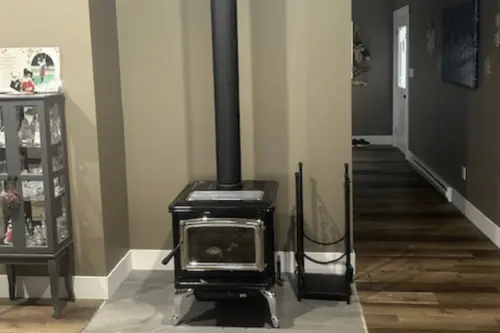
WETT Inspections for Wood Appliances: What Every Homeowner Should Know
As cooler weather arrives, many homeowners turn to wood-burning fireplaces, stoves, or furnaces for heat and comfort. However, before lighting that first fire, it’s important to make sure your system is safe. That’s where WETT inspections for wood appliances come in.
In this article, we’ll explain what a WETT inspection is, why it matters, and what you can expect when scheduling one for your home.
What Is a WETT Inspection?
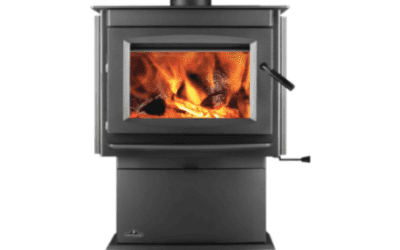
WETT stands for Wood Energy Technology Transfer. A WETT inspection is a professional evaluation of your wood-burning appliance and its chimney or venting system. Certified inspectors ensure your setup complies with current building codes and fire safety standards.
Unlike a general visual check, a WETT inspection involves a deeper understanding of appliance installation, safety clearances, and structural soundness.
Why You Need a WETT Inspection
1. Protect Your Home and Family
Wood-burning appliances can pose serious risks if installed incorrectly. Creosote buildup, damaged flue liners, and inadequate ventilation can all lead to chimney fires or carbon monoxide leaks. A WETT-certified inspection identifies these hazards before they become threats.
2. Satisfy Insurance Requirements
Many Canadian insurance companies require a WETT inspection before issuing or renewing a policy on a home with a wood-burning appliance. Without this certification, coverage may be denied or premiums may increase.
3. Meet Legal and Local Code Requirements
Some municipalities and real estate transactions demand WETT certification as part of compliance. Having your appliance inspected helps you avoid legal issues or failed property sales.
What’s Included in a WETT Inspection?
During your inspection, the certified professional will assess the following components:
Appliance Installation: Is it installed correctly and to code?
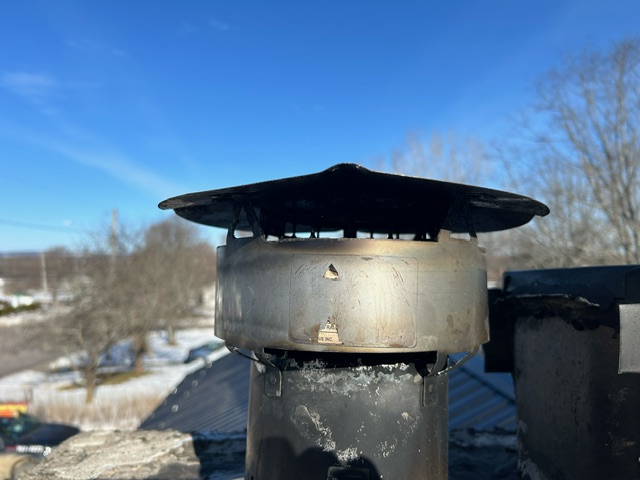
Chimney or Venting System: Are there blockages, damage, or deterioration?
Clearances: Is there enough space between the appliance and combustible materials like walls and furniture?
Hearth Construction: For fireplaces, does the hearth meet required size and material standards?
Each area is evaluated for safety, performance, and compliance.
What to Expect During the Inspection
Before the Visit
Make sure the appliance is completely cool and not in use. Clear the surrounding area for easy access.
During the Visit
The WETT inspector will visually examine both the appliance and venting system, inside and outside. They may use specialized tools to check hidden areas.
After the Visit
You’ll receive a detailed report outlining the condition of the appliance and chimney. If there are any problems, the report will include recommendations for cleaning, maintenance, or repairs.
Tips to Keep Your Wood Appliance Safe Year-Round
Burn only dry, seasoned hardwood to reduce creosote buildup.
Install a carbon monoxide detector near the appliance.
Never burn garbage, cardboard, or treated wood.
Book a WETT inspection annually—even if it’s not legally required.
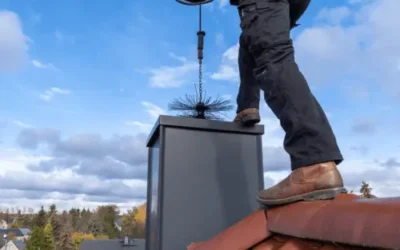
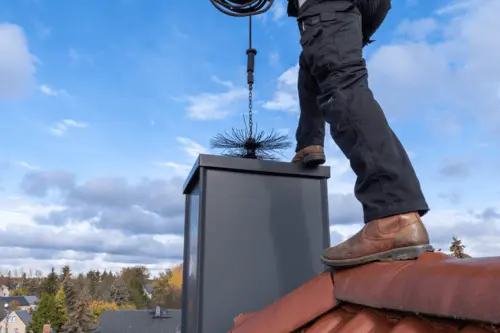
Make sure your chimney stays clean and free from obstructions.
Final Thoughts
A WETT inspection for wood appliances is more than a formality—it’s a smart investment in your safety and peace of mind. Whether you’re heating your home all winter or simply enjoying the occasional fire, regular inspections help prevent costly damage and protect your family.
✅ Haven’t had your appliance checked recently?
Book a WETT-certified inspection with Contact Us today and enjoy a warm, safe season ahead.